Loading the page…
English
Englishעבריתالعربية
English
Englishעבריתالعربية
Good banking habits can save thousands of shekels and help you gain better control of your money. In this chapter, we will learn how to choose a suitable account and services, reduce fees, use credit without falling into debt, track expenses, understand bank statements, avoid scams, locate forgotten money and manage Israel's Saving for Every Child (Hisakhon LeKol Yeled, חיסכון לכל ילד) program correctly.
How to choose wisely and save thousands of shekels
How to identify unnecessary bank fees and stop overpaying.
Learn how to use credit cards wisely and avoid tempting but expensive traps.
How to escape the silent debt trap
Tools that help you track money, identify unusual spending and manage your budget easily and wisely.
How to uncover the true story of your money.
How to recognize financial scams and avoid the trap.
How to find money and accounts you may have forgotten.
Everything you need to know about your child’s savings plan
View all guidesThis article is intended for those who manage their own investment portfolios—for example, through an independent trading account at a bank or investment firm—and personally buy exchange-traded funds (ETFs), index-tracking funds, stocks, or bonds.
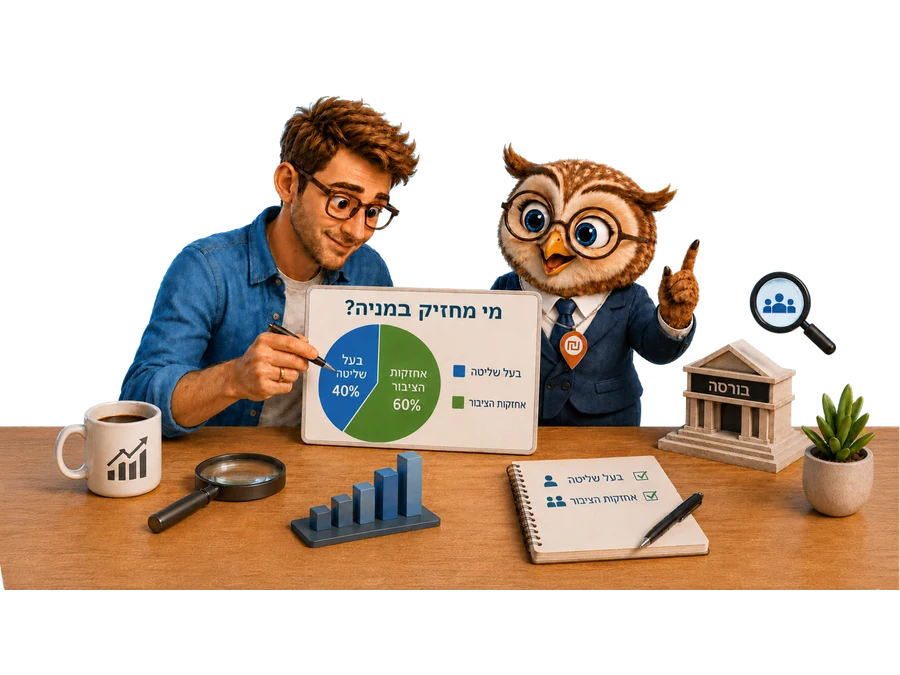
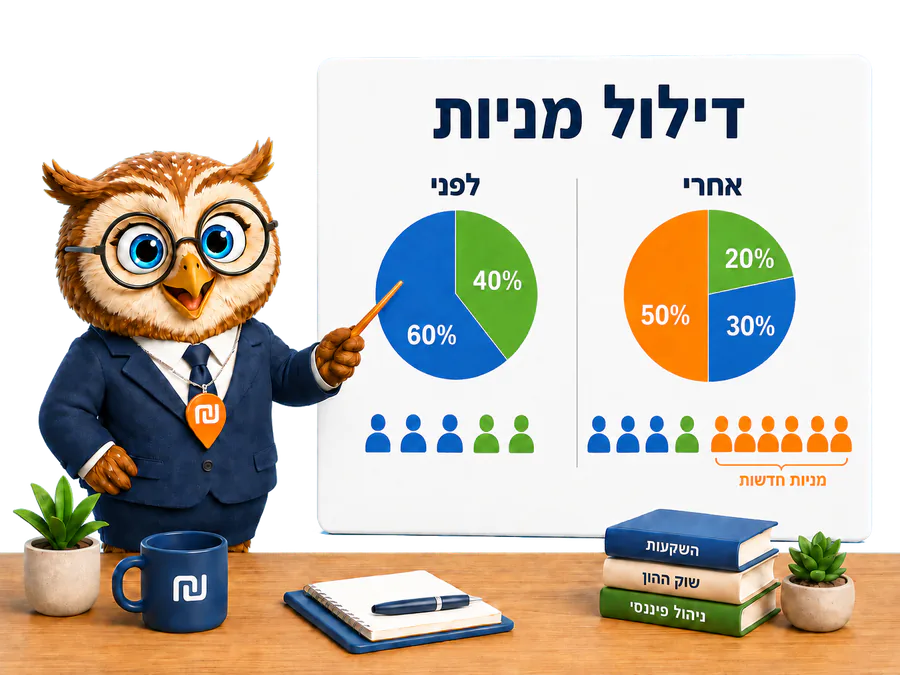
When we say a stock is “traded on the exchange,” it is easy to think that all of a company's shares circulate freely in the market and that anyone can buy or sell at any time. In practice, that is not the case.
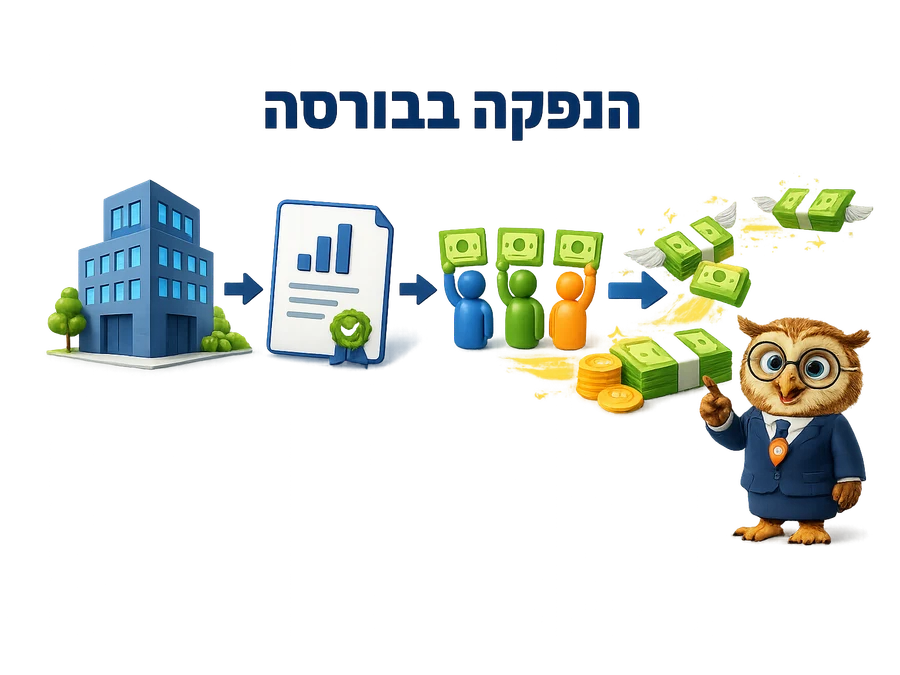
A public company can raise capital in several ways. It can take out a loan, issue bonds, or issue new shares.
A company seeking growth, expansion, or new product development needs one key thing: money. It may come as a bank loan, from private investors (venture capital funds or angels), or from the public through the stock exchange.