Loading the page…
English
Englishעבריתالعربية
English
Englishעבריתالعربية
Investment products and money-management options let you invest for the medium or long term according to the level of risk, involvement, and control that suits you. In this section, we will learn about the different options, examine how they differ in costs, taxation, flexibility, and management, and also address the special considerations of U.S. citizens living in Israel.
A liquid investment professionally managed, with potential tax benefits
A flexible investment vehicle managed by insurance companies, offering a range of tracks
A personal investment portfolio professionally managed for you by an investment manager
An investment account where you independently choose and manage your investments.
Compare management fees, taxation, flexibility, and the level of control in each product.
US citizens living in Israel: saving, investing and taxation
View all guidesThis article is intended for those who manage their own investment portfolios—for example, through an independent trading account at a bank or investment firm—and personally buy exchange-traded funds (ETFs), index-tracking funds, stocks, or bonds.
When we say a stock is “traded on the exchange,” it is easy to think that all of a company's shares circulate freely in the market and that anyone can buy or sell at any time. In practice, that is not the case.
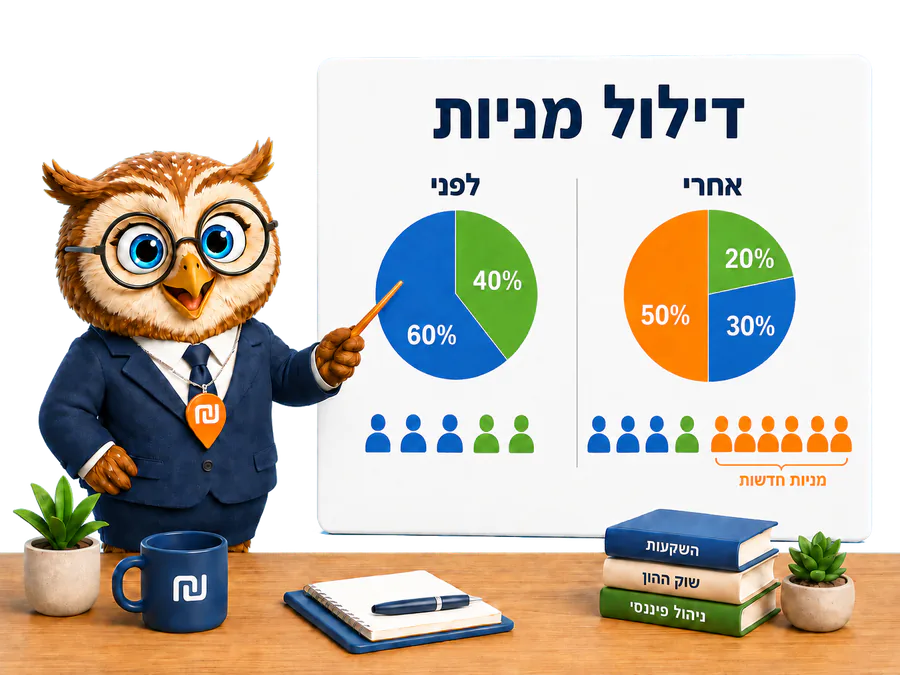
A public company can raise capital in several ways. It can take out a loan, issue bonds, or issue new shares.
A company seeking growth, expansion, or new product development needs one key thing: money. It may come as a bank loan, from private investors (venture capital funds or angels), or from the public through the stock exchange.