Loading the page…
English
Englishעבריתالعربية
English
Englishעבריתالعربية
US citizens living in Israel are also subject to US tax and reporting rules. Israeli financial products that appear simple can therefore create reporting obligations, complex taxation and unexpected consequences. This section explains the central rules, examines more suitable investment approaches and covers what matters for pensions, saving for children, tax and inheritance.
A financial guide to US tax and reporting obligations for citizens living in Israel.
Pension, Keren Hishtalmut and child savings for US citizens living in Israel.
US estate tax, inheritance and family planning for citizens and Israeli investors.
This article is intended for those who manage their own investment portfolios—for example, through an independent trading account at a bank or investment firm—and personally buy exchange-traded funds (ETFs), index-tracking funds, stocks, or bonds.
When we say a stock is “traded on the exchange,” it is easy to think that all of a company's shares circulate freely in the market and that anyone can buy or sell at any time. In practice, that is not the case.
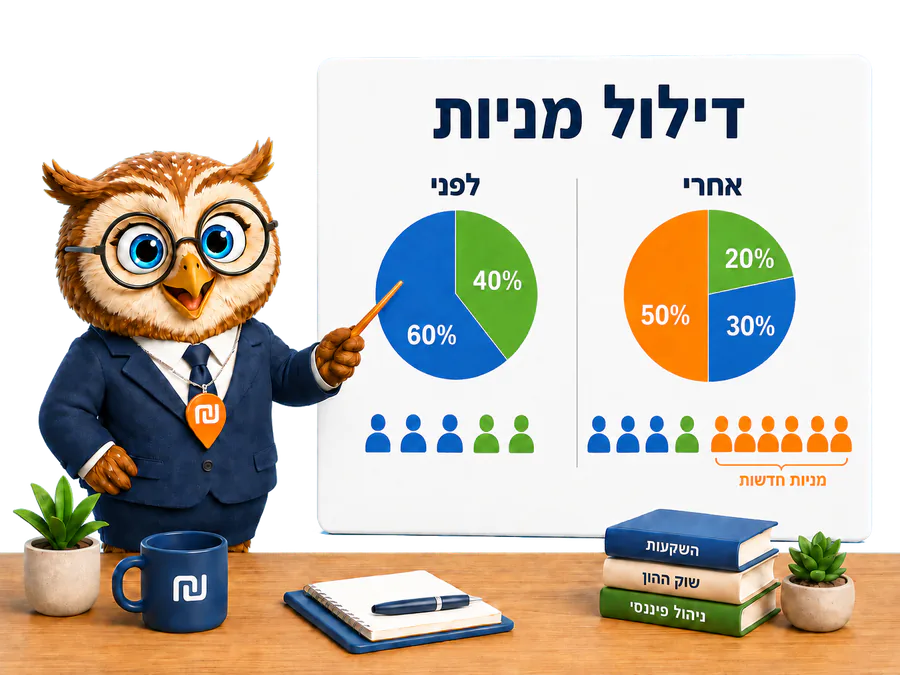
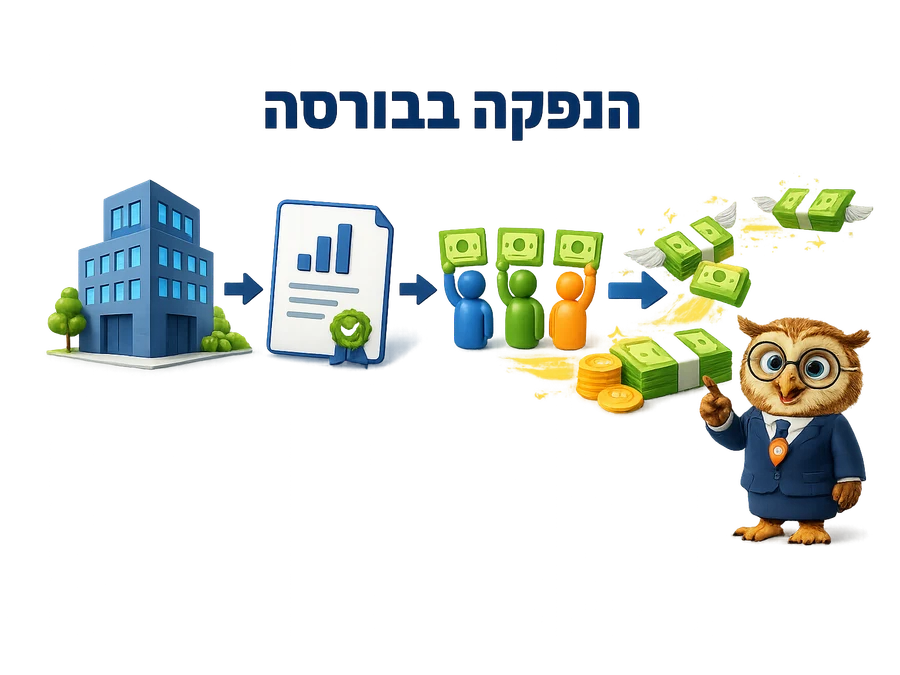
A public company can raise capital in several ways. It can take out a loan, issue bonds, or issue new shares.
A company seeking growth, expansion, or new product development needs one key thing: money. It may come as a bank loan, from private investors (venture capital funds or angels), or from the public through the stock exchange.