Loading the page…
English
Englishעבריתالعربية
English
Englishעבריתالعربية
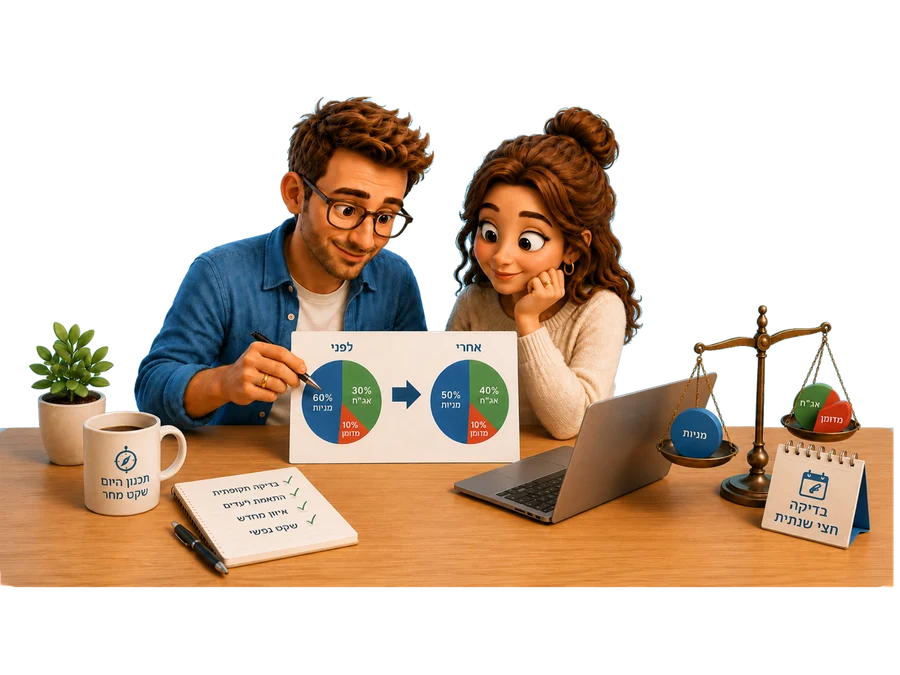
How do you secure your financial future? A pension is not only money for age 67. It is financial security for you and your family over decades. In this section, we will break down the intimidating terms, understand where the money goes each month, and see how small decisions you make today — when choosing a track or management fees — can be worth hundreds of thousands of shekels at retirement.
Learn about the bodies that manage your money and how it accumulates and is invested for you.
Learn how pension products differ and how much employees and employers are required to contribute.
Practical tips for managing your pension from your first job and keeping your insurance coverage suitable.
Learn about HaMislaka HaPensionit (המסלקה הפנסיונית), locate lost funds, and ensure your savings are managed properly.
Discover the benefits of a Keren Hishtalmut (קרן השתלמות) and how to maximize its tax advantages.
Retirement: 5 golden guides for your golden years
View all guidesThis article is intended for those who manage their own investment portfolios—for example, through an independent trading account at a bank or investment firm—and personally buy exchange-traded funds (ETFs), index-tracking funds, stocks, or bonds.
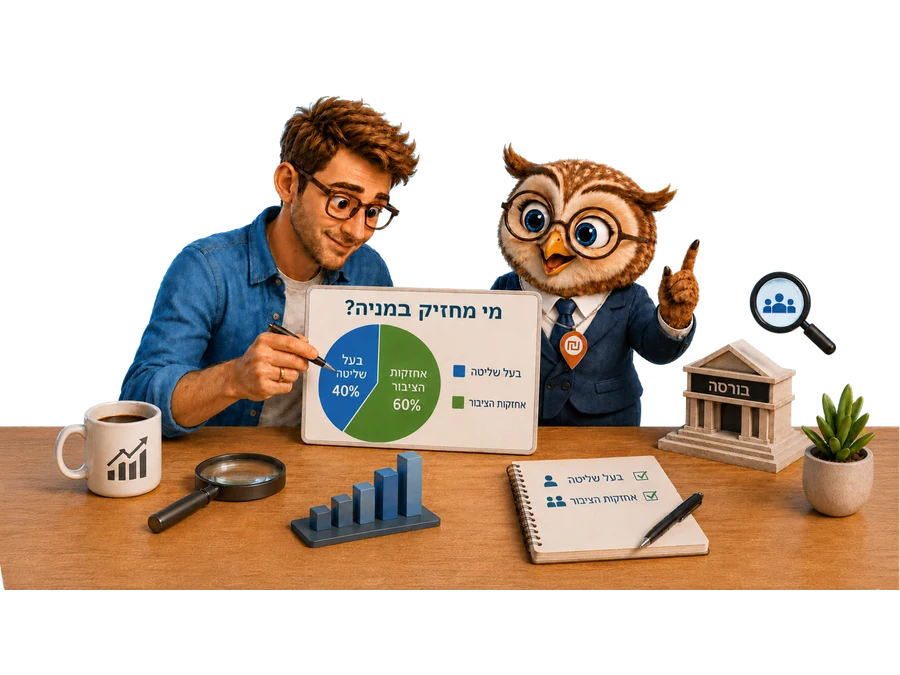
When we say a stock is “traded on the exchange,” it is easy to think that all of a company's shares circulate freely in the market and that anyone can buy or sell at any time. In practice, that is not the case.
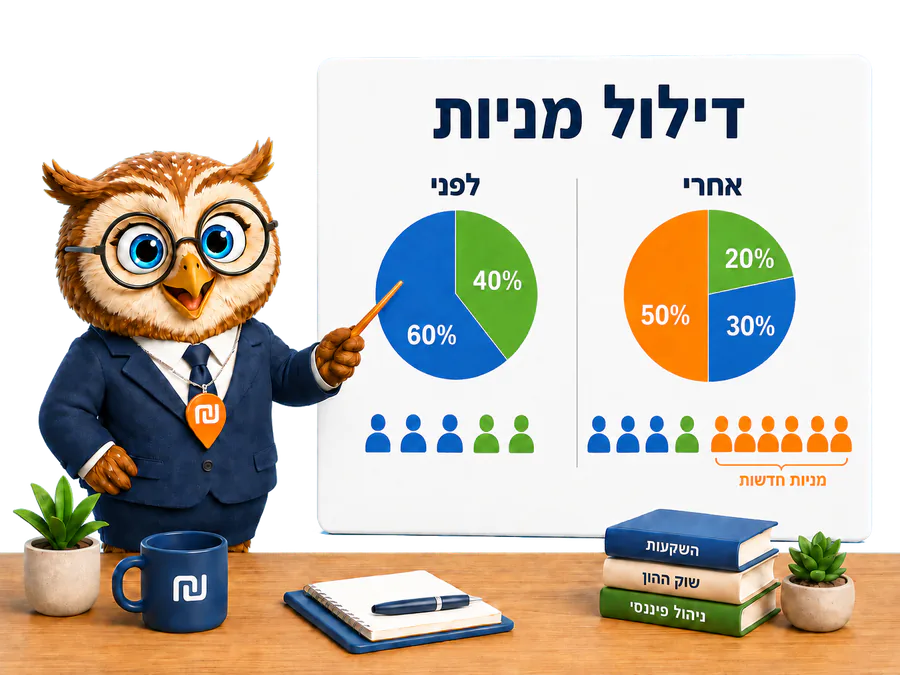
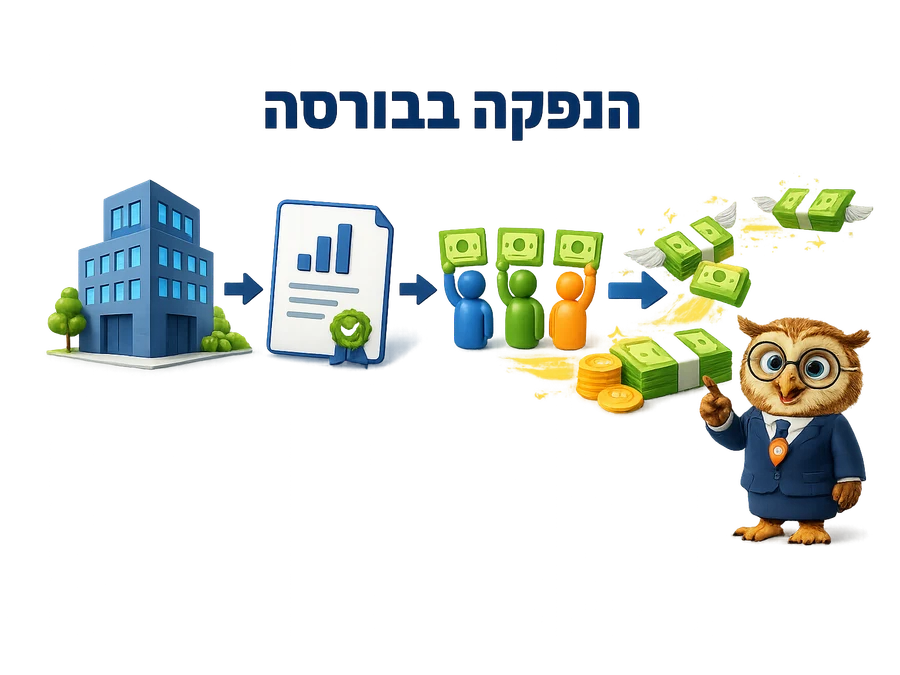
A public company can raise capital in several ways. It can take out a loan, issue bonds, or issue new shares.
A company seeking growth, expansion, or new product development needs one key thing: money. It may come as a bank loan, from private investors (venture capital funds or angels), or from the public through the stock exchange.